Hands and Skin

Dupuytren’s Disease

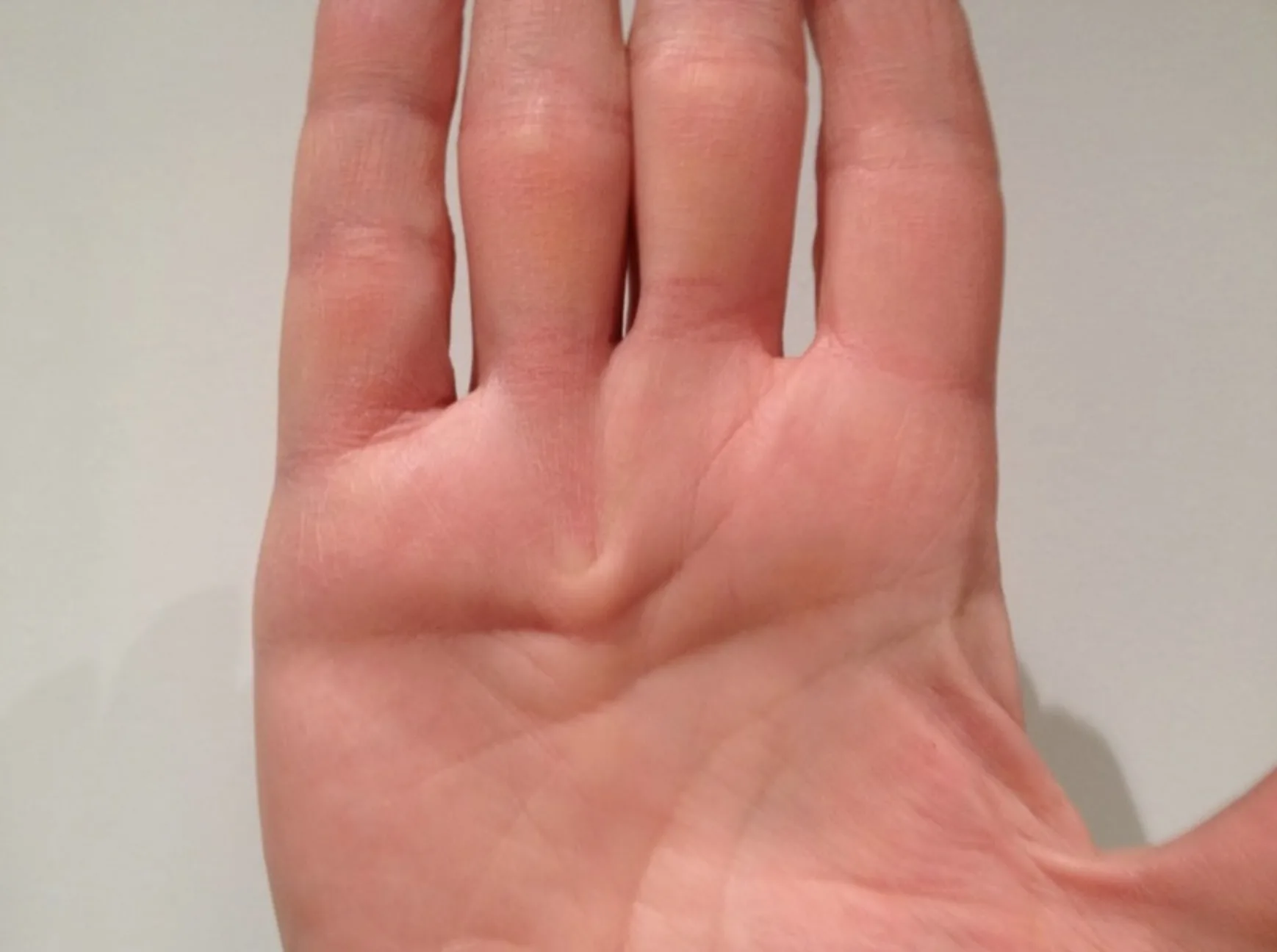
Dupuytren’s disease is a common condition that causes thickening of the connective tissue beneath the skin of the palm. Over time, this may form firm cords or nodules that gradually pull one or more fingers into a bent position, making it difficult to straighten them fully.

When to Consider Treatment

Treatment is considered when the condition begins to interfere with daily life — for example, if you cannot place your hand flat on a table or if the fingers start to curl significantly.

Not all cases require surgery. In the early stages, observation may be appropriate, particularly if the contracture is mild or not progressing. However, when function is affected, several effective treatments can help restore movement.

Procedure length

30–90 minutes, depending on extent


Anaesthesia

Local


Dressings

2 weeks


Hand therapy

Begins early; essential for regaining movement


Return to work

Desk: 1–2 weeks · Manual: 4–6+ weeks


Final results

Improved finger extension and grip over several months

Dupuytren’s disease is a common condition that causes thickening of the connective tissue beneath the skin of the palm. Over time, this may form firm cords or nodules that gradually pull one or more fingers into a bent position, making it difficult to straighten them fully.

While the exact cause is not always clear, it tends to run in families and is more common in men over 40, people with diabetes, or those with Northern European ancestry. While Dupuytren’s is more common in men, women can also be affected. The condition is not harmful in itself but can affect hand function, grip, and confidence in daily activities.
Treatment Options

Treatment is carefully tailored to the severity and pattern of the condition. In milder cases, a needle fasciotomy may be performed — a minimally invasive technique that uses a fine needle to divide the tight cord through a tiny puncture in the skin. More advanced or established contractures are often treated with a fasciectomy, where the thickened tissue is precisely removed through a small incision to release the finger and restore movement.

In recurrent or more severe cases, a dermofasciectomy may be recommended, which involves removing both the affected tissue and overlying skin, then replacing it with a fine skin graft to reduce the risk of recurrence and improve long-term results. All procedures are performed with precision to protect delicate structures such as nerves and blood vessels, ensuring a safe and functional recovery.

Final Results

Following treatment, most people regain freedom in their hands — the ability to straighten, move, and create with ease once more. As the scars soften and strength returns through therapy and gentle movement, the hand gradually rediscovers its natural rhythm.

While Dupuytren’s can occasionally return, thoughtful technique and dedicated aftercare help ensure lasting improvement. My aim is not only to restore motion, but to bring back comfort, confidence, and the joy of using your hands for the things you love.

  • 1. Is the procedure painful?

    No. The area is fully numbed with local or regional anaesthetic. Mild soreness is expected for a few days afterward.

  • 2. Can Dupuytren’s return?

    Yes, recurrence is possible, particularly in younger patients or those with extensive disease. Regular follow-up and early management of new nodules help minimise this risk.

  • 3. When can I use my hand again?

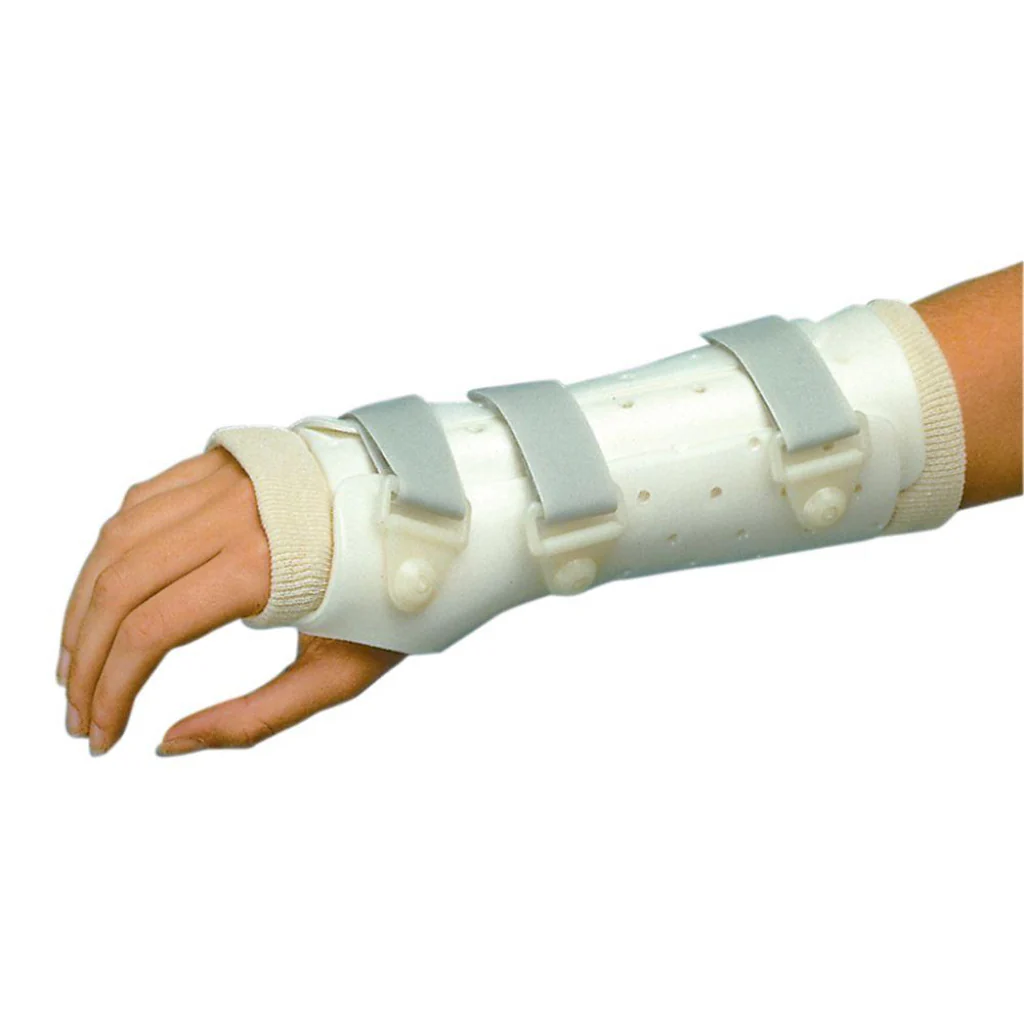
    You can gently move your fingers immediately after surgery under guidance from your therapist. Light daily tasks are usually possible within 1–2 weeks. You will need to wear a night time splint for 6 months.

  • 4. Will I need physiotherapy?

    Yes. Hand therapy is essential to maintain flexibility, improve strength, and prevent stiffness.

Doctify - Great Patient Experience

Schedule a consultation

Contact us