Breast

Reduction

Breast reduction surgery creates lighter, more comfortable, and beautifully balanced breasts. For many women, larger breasts can cause physical discomfort — including neck, shoulder, and back pain — as well as challenges with clothing, posture, and everyday movement.

A breast reduction does far more than reduce size. It reshapes, refines, and uplifts the breast to create a naturally elegant silhouette. Using meticulous sculpting and auto-augmentation techniques, your own tissue is repositioned to enhance fullness and projection — giving the breast a more youthful, rounded, and beautifully supported shape. The result is not simply smaller breasts, but breasts that look lifted, harmonious, and softly enhanced, while still feeling authentically your own.

During surgery, excess skin and tissue are removed, the breast is reshaped, and the nipple–areola complex is carefully repositioned to sit in a naturally elevated position. The outcome is a breast that feels lighter, more proportionate, and in balance with the rest of your figure.

Every woman’s body, lifestyle, and aesthetic goals are unique. During your consultation, we will take time to explore what matters most to you — whether that is comfort, shape, proportion, or a combination of all three. Together we will design a personalised treatment plan that creates results that feel elegant, confident, and true to your natural form.

Procedure time

2.5–3.5 hours


Anaesthetic

General (day surgery)


Discomfort

Moderate for 1–2 weeks


Healing time

2–3 weeks


Support bra

Worn for 6 weeks


Back to work

From 2 weeks


Exercise

Gradually after 8 weeks


Final results

3–6 months, once swelling settles


Scars fade

6–12 months

Final Results

As swelling gently settles over the first few months, the breasts soften into their new, natural contour. With auto-augmentation shaping, the upper pole gains subtle fullness and the lower pole becomes more refined — creating a softly lifted, rounded, and proportionate breast that feels harmonious with your body.

The result is a silhouette that appears lighter, softer, and beautifully balanced. Scars fade gradually, blending into the natural lines of the breast until they become discreet and barely noticeable.
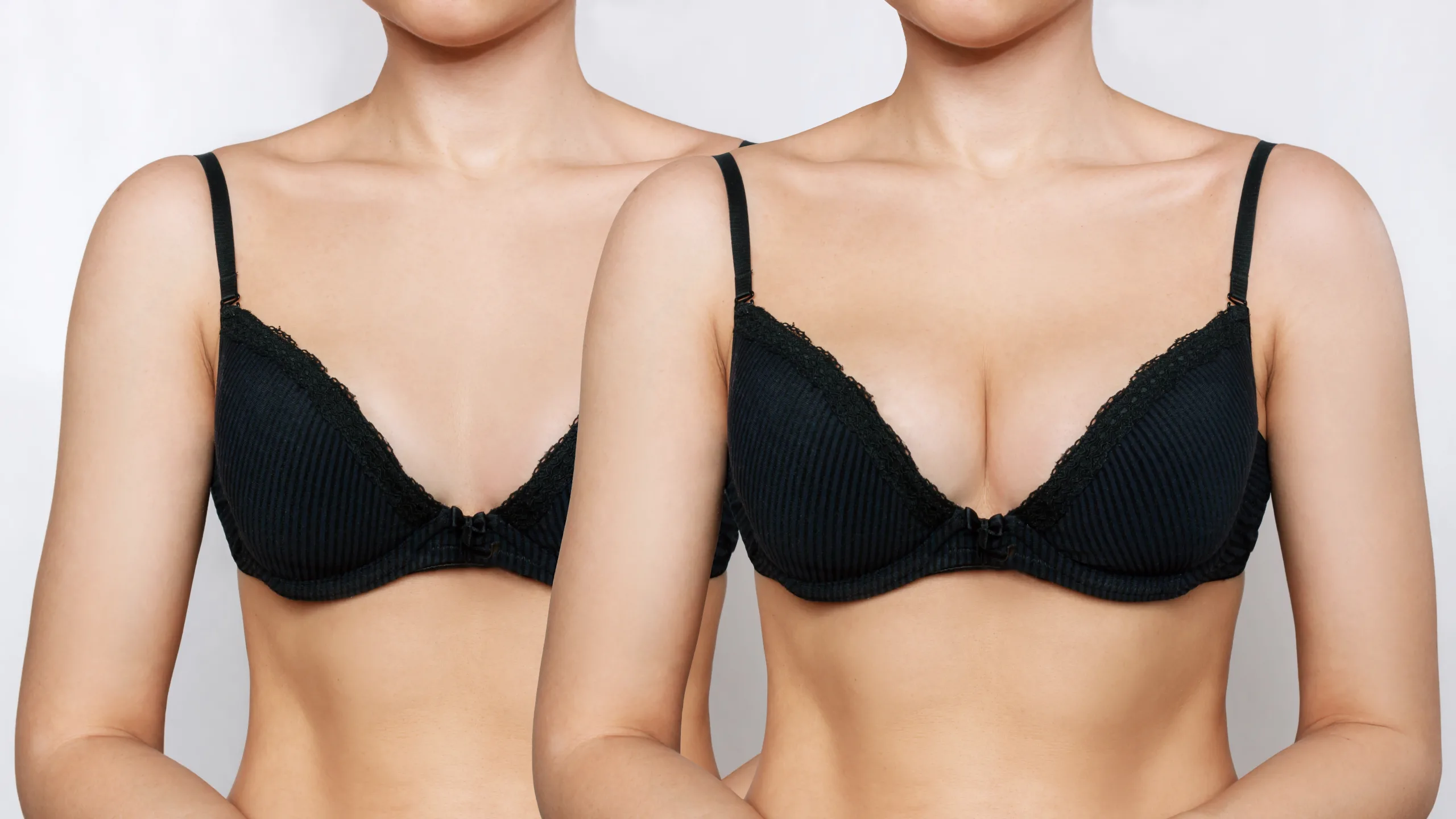

For many women, the transformation is both physical and emotional: the freedom to move without discomfort, to dress with ease, and to feel at home in their body once again. A breast reduction is not simply a change in size — it is a restoration of comfort, confidence, and natural elegance. My goal is to help you feel lighter, freer, and fully at ease in your own skin, with results that look refined, graceful, and uniquely yours.

  • 1. Who it is for?

    Breast reduction may be right for you if you:

    • Experience back, neck, or shoulder pain from heavy breasts.
    • Find it difficult to exercise or dress comfortably.
    • Have skin irritation beneath the breast crease.
    • Feel self-conscious about the size or shape of your breasts.
    • Simply wish for a lighter, more balanced silhouette.
  • 2. What are the benefits of breast reduction?
    • Eases discomfort and improves posture.
    • Helps clothing fit more comfortably and naturally.
    • Creates a lighter, more lifted shape.
    • Improves confidence and body balance.
    • Provides lasting relief and natural results.
  • 3. What are the risks and considerations?

    As with all surgery, there are potential risks, which will be discussed fully during your consultation. These can include:

    • Temporary bruising, swelling, or mild differences between breasts.
    • Changes in nipple sensation (usually temporary).
    • Delayed healing or minor wound problems.
    • Scars — which are permanent but fade with time.

    Less common risks include small firm areas beneath the skin (fat hardening) or reduced ability to breastfeed. Serious complications are rare, and great care is taken to achieve the best, safest possible outcome for you.

  • 4. What to expect during recovery?

    You’ll notice an immediate lightness after surgery, although swelling and mild bruising are normal for the first couple of weeks.

    Dressings are usually removed after 2–3 weeks, and you’ll wear a soft support bra day and night for about 3 months.

    Most women return to work within 2–3 weeks and resume light exercise after 4-6 weeks. Scars soften and fade gradually, often becoming barely noticeable within a year.

  • 5. What does an anchor-shaped scar look like in breast reduction?

    An anchor-shaped scar—also called an inverted-T scar—is the most common pattern used in breast reduction surgery. It allows your surgeon to remove more tissue and reshape the breast with the greatest precision, especially when significant lifting or tightening is needed.

    The scar has three components:

    1. Around the areola
      A circular scar that sits at the edge of the areola. This typically blends very well because the colour and texture change helps camouflage it.
    2. Vertical scar
      A straight line from the lower edge of the areola down to the breast fold. This becomes a fine line once healed.
    3. Horizontal scar in the breast crease
      A curved scar hidden within the natural inframammary fold. When standing, this scar is generally concealed by the breast itself.

    Immediately after surgery, these scars will look pink and slightly raised. Mild puckering, tightness, and firmness are normal and settle with time.

  • 6. How will an anchor scar settle over time?

    Breast reduction scars follow a predictable healing pattern:

    • First 6 weeks:
      Scars may feel firm or slightly raised. Pinkness is normal. Swelling and temporary bunching near the vertical scar often soften steadily.
    • 3–6 months:
      Scars fade and flatten, with the horizontal fold scar becoming increasingly hidden in the crease. The vertical scar usually softens into a fine, pale line.
    • 6–12 months:
      Scars mature, lighten, and become less noticeable. Many patients find that the fold scar is barely visible in everyday life.

    Good scar care—including silicone therapy, sun protection, moisturising, and gentle massage once healed—can help optimise the final appearance.

  • 7. What if I am prone to abnormal thicker scars?

    Some people have a genetic tendency to develop hypertrophic or keloid scars, which are thicker or more raised than average. If you have a personal or family history of problematic scarring, please let me know. We can take proactive steps, such as early silicone therapy, steroid injections, or closer follow-up, to help reduce this risk and support the best possible scar outcome.

Testimonial

Doctify - Great Patient Experience

Schedule a consultation

Contact us