Face

Upper Eyelid Lift

(Upper Blepharoplasty)

The eyes are often the earliest area to show signs of ageing, tiredness, or stress. Loose skin, heaviness, or mild hooding of the upper eyelids can soften definition and create a fatigued appearance — even when you feel bright and energised.

An upper eyelid lift, also known as an upper blepharoplasty, is a precise, delicate procedure that restores lightness, contour, and natural definition to the upper lids. By removing excess skin — and, where appropriate, small pockets of fat — the eyes appear more open, refreshed, and expressive. In some cases, it may also improve the visual field by reducing eyelid heaviness.

My approach focuses on clarity and authenticity, not dramatic change. The aim is to reveal eyes that look rested, calm, and naturally rejuvenated while preserving your unique facial character.

Many patients find that this subtle enhancement brings a renewed sense of confidence. Makeup applies more smoothly, the upper lids feel less heavy, and the face appears brighter, softer, and more awake.

During your consultation, I will assess your individual anatomy, aesthetic goals, and lifestyle needs. Together we’ll design a bespoke treatment plan that enhances your natural features while maintaining complete harmony and balance.
You can read more about what to expect in my consultation process for facial surgery.

For some patients, an upper eyelid lift is complemented by other periorbital procedures such as a lower eyelid blepharoplasty, a brow lift, or ptosis correction, depending on whether skin excess, brow descent, or true eyelid droop is contributing to the appearance.

Procedure time

45 minutes – 1 hour


Anaesthetic

Local with or without sedation


Discomfort

Mild for a few days; manageable with simple pain relief


Stitches removed

After 5–7 days


Swelling & bruising

Usually settles within 1–2 weeks


Back to work

From 1 week


Exercise

Gradually after 4–6 weeks


Final results

3–6 months, as swelling resolves and scars mature


Scars fade

6–12 months, hidden in the natural eyelid crease

Final results

As healing progresses, the eyes regain definition and brightness. The upper lids appear smoother, lighter, and naturally contoured, enhancing overall facial harmony without altering your identity.

An upper eyelid lift is one of the most rewarding facial rejuvenation procedures — subtle yet deeply transformative. It restores not only a refreshed appearance, but also comfort, confidence, and ease.
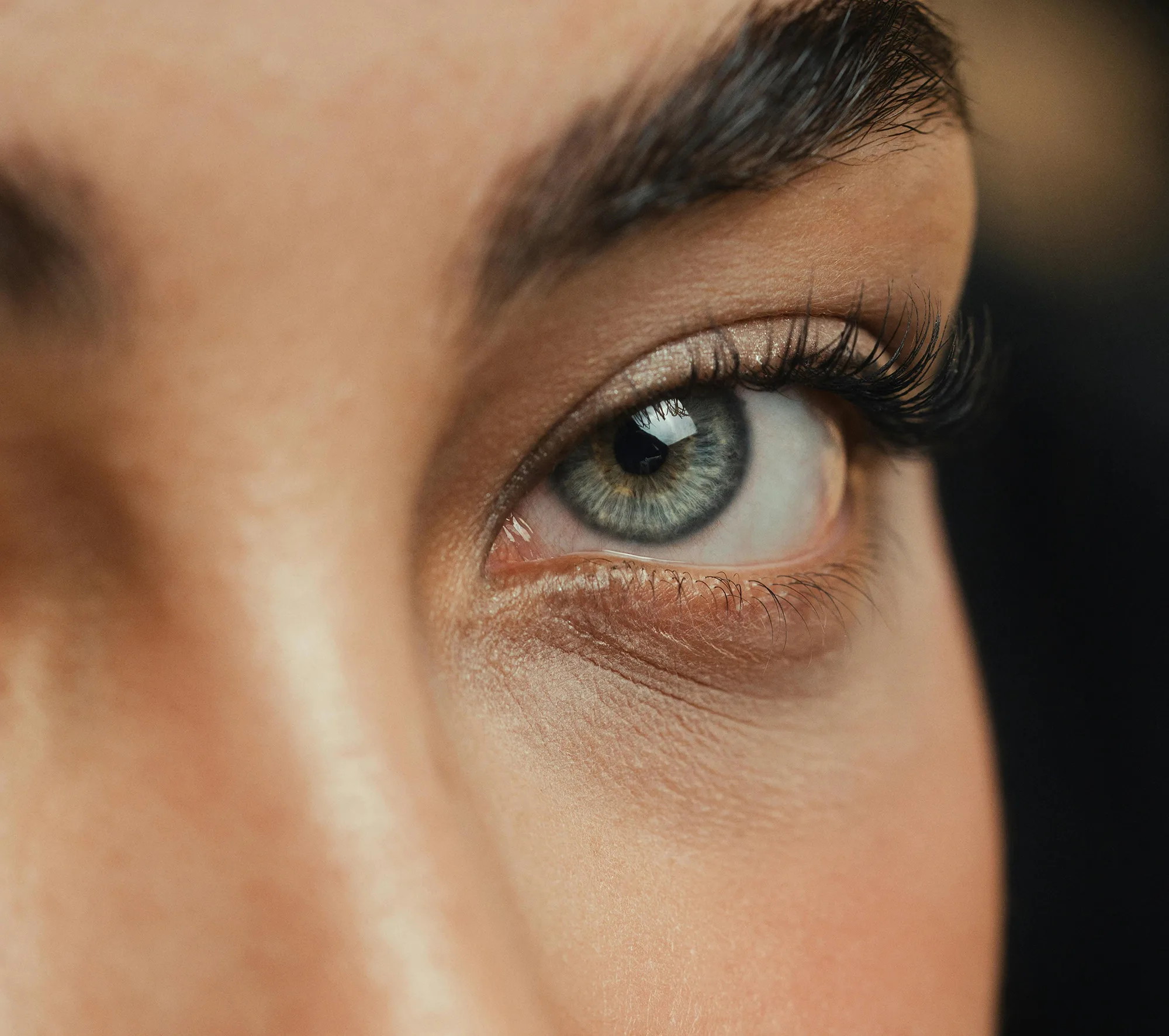

My technique is precise, balanced, and tailored to each individual — achieving results that feel natural, graceful, and entirely your own.

You can explore before-and-after eyelid surgery results or learn about how this compares to a lower eyelid blepharoplasty or mid facelift if you are considering wider facial rejuvenation.

  • 1. Who is suitable for an upper eyelid lift?

    It is ideal for men and women with loose, sagging, or heavy upper eyelid skin that affects appearance, vision or comfort. Some also choose the procedure to help reduce eyelid hooding that can obscure vision.

  • 2. Will I still look like myself?

    Yes. My goal is to preserve your natural eye shape and expression while gently refreshing your appearance. The result should look as though you’ve simply rested — not changed.

  • 3. Are there visible scars?

    No — the incision is placed within the natural crease of the eyelid, where it fades discreetly over time.

  • 4. Is recovery painful?

    Discomfort is minimal. Most patients describe a mild sense of tightness or tenderness that improves within a few days.

  • 5. When can I return to normal activities?

    You can usually return to work after about a week. You can apply makeup once your wounds heal. Swelling and bruising diminish steadily over 10–14 days, with exercise resumed after 4–6 weeks.

  • 6. How long do results last?

    Results are long-lasting — often 8–10 years or more — though natural ageing continues. Many patients never feel the need for further eyelid surgery.

  • 7. What are the risks?

    Temporary bruising, swelling, or mild dryness are common and resolve naturally. Rare risks include minor asymmetry or prolonged swelling, both of which are carefully managed with attentive follow-up care.

Testimonial

Doctify - Great Patient Experience

Schedule a consultation

Contact us